All Categories
Featured
Table of Contents
Companies used to view worldwide company growth as their typical corporate goal. Organizations broaden their operations into brand-new geographical areas because they desire to accomplish small service growth and market growth and boost their business position. Boards assess market possible and competitive benefit and entry methods since they think functional quality will instantly lead to successful execution when market demand becomes evident.
The existing market entry process deals with additional entry barriers since organizations are not prepared for entry instead of since there are no brand-new service opportunities readily available. Many stopped working expansion attempts stop working due to the fact that their leadership systems and governance designs and execution abilities do not match the preliminary intricacy which cross-border operations bring to operations.
The whitepaper provides the argument that organizations need to view their 2026 international service growth as a governance and management challenge rather of treating it as a sales or development strategy. Organizations which adhere to their recognized growth approaches will experience service collapse through undetectable yet costly and steady procedures. Organizations which redesign their execution and governance systems before getting in the marketplace will keep their flexibility and establish long-term value.
Global Vs Nearshore: Analyzing the Best 2026 Approach
Worldwide markets continue to draw interest, but traders now face minimized chances to prosper with their trades. Capital is less patient with geographical learning curves. New market entry requires investors to see evidence of control achievement from the start. Running complexity, on the other hand, scales immediately. The business faces 5 major challenges which consist of legal exposure and regulatory compliance and skill threat and pricing pressure and consumer expectations before it accomplishes considerable revenue development.
Organizations utilized to have sufficient resources which allowed them to evaluate new market opportunities through speculative techniques. The process of knowing by experimentation became considerably more pricey during 2026. The system produces quick mistake build-up which reduces the amount of time users have to make their corrections. Expansion is no longer flexible of weak operating models.
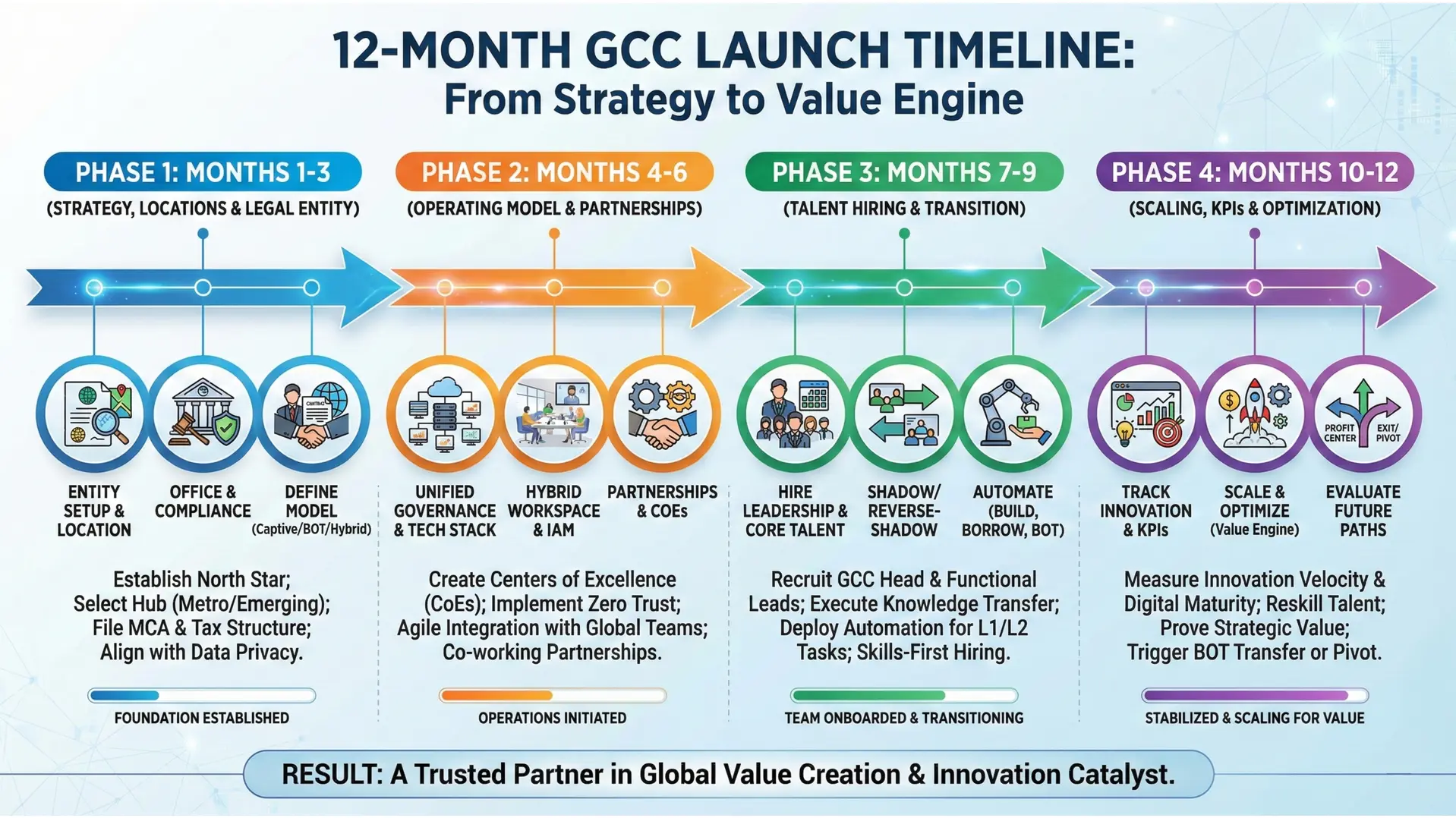
Boards receive growth proposals which concentrate on providing opportunities instead of revealing how these plans will work. The evaluation of market size together with inbound interest and pilot customer accessibility and partner preparedness serves as the basis for figuring out readiness. Organizations do not have appropriate examination methods to identify their capability to run a secondary operating system which supports their primary service operations.
Key Tips for Developing Global Capability Centers
The aspects which lack proper development force companies to add brand-new elements instead of using existing ones for expansion. Management positions have expanded in number, but their development remains insufficient.
How to Optimize Global Frameworks in 2026The governance system marks the end of efficient operations for growth activities. Organizations that expand globally keep an inaccurate belief which suggests their service growth through partner or supplier networks will reduce functional risks.
Consumer feedback ends up being filtered. The company receives performance details through delayed shipment which only includes info about cases. The distinction in between accountability becomes uncertain when organizations utilize different benefit systems. The breakdown of execution leads people to shift their blame towards outdoors entities. The practice of depending on partners who do not have equivalent governance systems leads to quiet growth failure in 2026.
The process of effective organization growth needs rigorous management of intermediaries but does not need their total removal. Management groups which do not maintain presence and control will only discover their problems after their momentum has actually disappeared. International businesses select to develop their company growth operations in the United States as their chosen area.
Proven Tactics for Developing Enterprise Capability Centers
The U.S. market consists of both large market capacity and multiple independent market segments. Organizations usually experience sales cycles which extend past their initial projected timeframes. Businesses require to demonstrate their regional presence and their capability to satisfy consumer requirements efficiently to draw in consumers who desire to purchase. The worker choice procedure leads to pricey errors which need extended time to deal with.
The marketplace reveals extreme rate competitors due to the fact that various rivals run their own different market territories. Leadership groups in the United States tend to error the initial American interest for proof that the country was prepared for such involvement. Interest functions as a concept which differs from real execution. Without sustained local management presence and decision authority, traction remains delicate.
Corporate Expansion Tactics for Multinational ScaleThe primary factor for growth failure exists due to the fact that companies stop working to determine which entity needs to lead market success in new areas and what authority they need to have. The research study recognizes different patterns which consistently cause businesses to stop working when they try to broaden their operations.

Latest Posts
How to Scale Global Operations in 2026
The Rise of Nearshore Operations in 2026
Maximizing Business Agility Via Custom GCC Models