All Categories
Featured
Table of Contents
track brand-new purchasers entering your funnel. A beneficial metric here is the ratio of customer acquisition cost to life time value, which should surpass 3:1 for a healthy development model. determine how much existing clients invest in time. Net profits retention above 100% implies your existing base is growing without including a single new client.
An organization growing through acquisition needs various metrics than one growing through growth of existing accounts. KPIs determine the ongoing health of your organization, things like churn rate, gross margin, and conversion rate.
Compose your leading 3 growth objectives on a single page alongside the particular chauffeur each goal targets. If you can not link a goal to a driver, the objective is a desire, not a technique.
Harvard Company School uses the "value stick" concept to measure the gap in between a consumer's determination to pay and the cost to serve them. Widening that gap is the core reasoning of every noise development technique. You can broaden it by raising desire to pay through much better product quality or brand name strength, or by decreasing cost through operational efficiency.
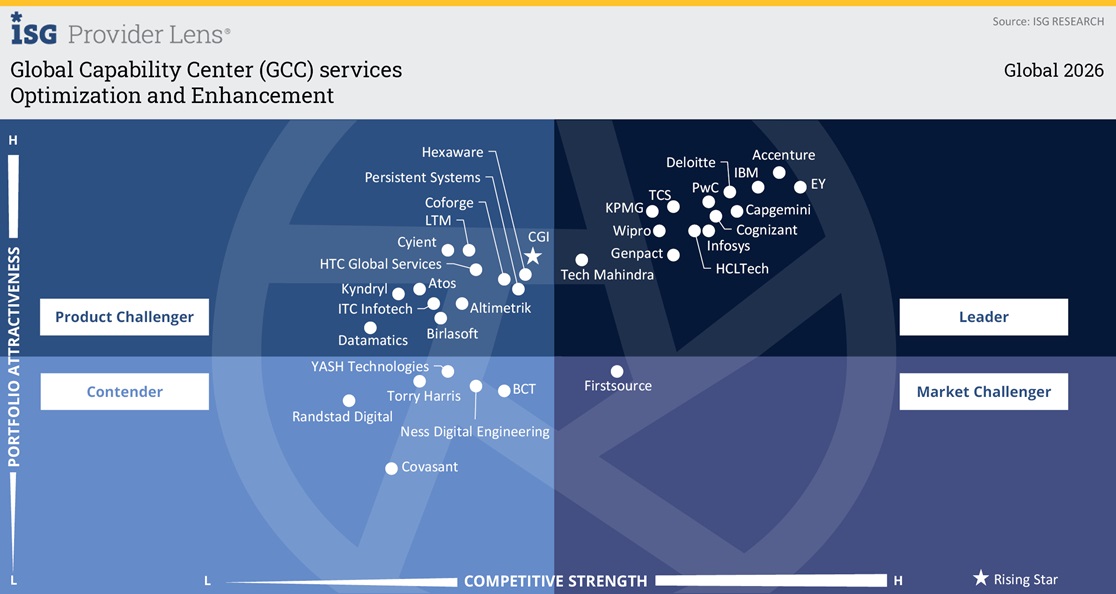
Detailed Analysis On Global Capability Hub TrendsStating yes to one market suggests stating no to another. What offers your company a defensible advantage in that market?
Global Vs Nearshore: Analyzing the Optimal 2026 Approach
Inorganic development through collaborations or acquisitions relocations faster but introduces integration threat."Write one sentence that links how your customer's life enhances to the specific lever that scales that enhancement. Harvard Business School practitioner insightThe most common failure in strategic growth preparation is detaching the worth reasoning from the growth lever.
Confirming presumptions before budgeting is the discipline that separates high-performing development groups from those that spend with confidence and find out gradually. Translating a growth strategy into everyday execution requires 3 lined up layers. Perdoo determines these as the strategic choice itself, KPIs that keep track of organization health, and OKRs that drive time-bound modification.

A practical scoreboard for a scaling start-up may appear like this: LayerExampleReview CadenceStrategic ChoiceGrow through market penetration in the U.S. mid-marketQuarterlyKPIMonthly repeating earnings, churn rate, gross marginWeeklyOKRIncrease MRR from $80K to $120K by end of Q2MonthlyThe scoreboard works just if the best individuals evaluate it on the right schedule. Weekly KPI reviews catch issues early.
Detailed Analysis On Global Capability Hub TrendsQuarterly method evaluates ask whether the initial tactical choice still fits the marketplace reality. Before tracking development, document where you are today throughout every metric on your scoreboard. Every KPI and OKR requires a named owner, not a team or department. Shared ownership is no ownership. Markets shift. A development method workflow that has no scheduled revision point becomes a document instead of a living plan.
Is Offshore Growth the Optimal Path for 2026?
If a metric does not drive a choice, eliminate it. Limit your active OKRs to 3 per quarter. More than 3 signals that you have actually not made the difficult prioritization options that a genuine growth method needs. A well-defined growth strategy is the single essential structural choice an early-stage company can make, because it identifies which resources get deployed, which markets get prioritized, and which metrics in fact matter.
Use the Ansoff Matrix to sequence riskBegin with market penetration to support unit economics before pursuing higher-risk techniques. Layer objectives across KPIs and OKRsKPIs keep an eye on service health; OKRs drive time-bound change. Both layers should line up. Test assumptions before budgetingWrite the connection in between client value and growth lever, then stress test it with situation preparation.
I have dealt with hundreds of creators across bootcamps and retreats, and the pattern is constant: most business owners can describe their growth aspirations in vibrant information, however extremely few can articulate the worth reasoning behind them. They know they desire to double profits. They can not always describe why a customer would pay more, stay longer, or refer a good friend as business scales.

Latest Posts
How to Scale Global Operations in 2026
The Rise of Nearshore Operations in 2026
Maximizing Business Agility Via Custom GCC Models